

Addo Elephant Park: A Big 7 Safari
Are you looking for a chance to see the Big 7 in South Africa?
Then Addo Elephant National Park is for you! Addo is one of the few places in the world where you can see the “Big Seven” in their natural habitat.
🐘 Or are you just looking for the best tours to and around Addo? Our pick for the top Multi-Day Tour is this Garden Route and Addo Park Tour. And for a day tour, this one from Port Elizabeth will show you the best of the park’s wildlife and includes a delicious lunchtime braai (bbq).
To check this feat off your bucket list, you have to see an elephant, rhino, lion, buffalo, and leopard – the Big Five.
Plus, a southern right whale and great white shark, South Africa’s marine contingent! Contact Raggy Charters for your chance to see these guys!
This opportunity seems reason enough to visit Addo Elephant Park. But there’s even more to this beautiful park, and below we’ll get into why this is a great spot for safari.
Let’s go!


Addo Elephant Park
Addo Elephant National Park is in South Africa’s Eastern Cape, just under 40 km from Gqeberha (formerly Port Elizabeth). It’s home to a thriving population of African elephants.
The park was originally established to protect these gorgeous giants. It has since expanded its conservation efforts to include other animals like the rare black rhino and different bird species.
Here are a few facts about the park –
1. Malaria-free: It’s great for young kids and anyone who would rather not take prophylaxis.
2. An elephant haven: Addo was established in 1931 to save the area’s last 11 elephants. Hunters had driven them towards extinction. Today, it is home to over 600 elephants. Rhino numbers have also increased significantly.
3. Diverse ecosystems: The park spans over 6,860 km², making it the third largest game reserve in the country. This includes marine areas, coastal dunes, mountains, and the dense bush of the main game area.
4. A birdwatcher’s paradise: Addo is a fantastic place for birdwatching. It has over 400 bird species, including the rare and endangered blue crane and the black-headed heron.
5. Marine section: The park’s marine section includes islands that are home to the world’s largest breeding colonies of Cape gannets. They’re also home to the second-largest breeding colony of African penguins.
6. Visitor facilities: The park has a variety of accommodations and visitor facilities. These include a main camp with a swimming pool, restaurant, and shop, plus more secluded bush camps. All but the pool are open to day visitors.
7. Guided tours: Day trippers and overnight guests can go on game drives. They can take advantage of horse rides and marine eco-tours, too, and see Addo’s variety of wildlife and its incredible ecosystems.


What Does Addo Have to Offer?
Facilities
Accommodations: Addo has a range of options, from camping sites to luxury lodges. The main camp, Addo Rest Camp, has guesthouses, cottages, chalets, and rondavels.
Or if you’re looking for a more secluded experience, there are bush camps like the Spekboom Tented Camp and the Narina Bush Camp.
Visitor Centers: The main camp has a visitor center with educational displays, a restaurant, a shop where you can buy souvenirs and essential items, and a gas station.
The shop also has snacks, beverages, and basic grocery items.
Picnic Areas: There are several picnic spots, too equipped with braai (bbq) facilities. The best ones are at the main rest camp and Jack’s Picnic Site. They’re great for relaxing and just enjoying the area.
A Restaurant: The Cattle Baron Grill and Bistro, at the Addo Rest Camp, serves breakfast, lunch, and dinner. The menu ranges from steaks and burgers to vegetarian options and caters to different dietary preferences.
Activities
Game Drives: Guided game drives are available both during the day and at night. You get the chance to see the park’s wildlife, including nocturnal animals, which isn’t possible on self-drives.
Self-Drive Safaris: The park has a well-maintained network of roads that allows for self-driven safaris. (Ask about hiring a hop-on guide!)
Horse Rides: These are offered in certain sections of the park, and give you a unique perspective of the environment and wildlife.
Hiking Trails: There are a few short hiking trails in the park. These include the PPC Discovery Trail, which is wheelchair friendly and offers a chance to explore the local plants and animals on foot.
Bird Watching: With over 400 bird species, Addo is a bird watcher’s paradise. The park also features bird hides where enthusiasts can observe birds in their natural habitat.
Wildlife Viewing: There are spots around just for game viewing, for those times in between game drives when you just can’t get enough.
- Hapoor Dam Hide: This is one of the most popular spots in the park. The waterhole at the dam attracts a lot of wildlife, especially in the drier months.
- Spekboom Hide: This hide is inside Spekboom Tented Camp and is an incredible opportunity for overnight stays. You can watch nocturnal animals and birds in a kind of wild immersive experience.
- Bird Hides: Addo has several bird hides, too, strategically placed for optimal bird watching. These are great, especially for seeing water birds around the waterholes.
- Nyathi Area: The Nyathi area of the park is more remote and less accessible. But it has viewing platforms with insane views and excellent game viewing opportunities, particularly of the Big Five.
Addo Park Wildlife
Addo Elephant Park is home to a great variety of animals:
- African Elephant
- Lion
- Leopard
- Black Rhino
- Cape Buffalo
- Zebra
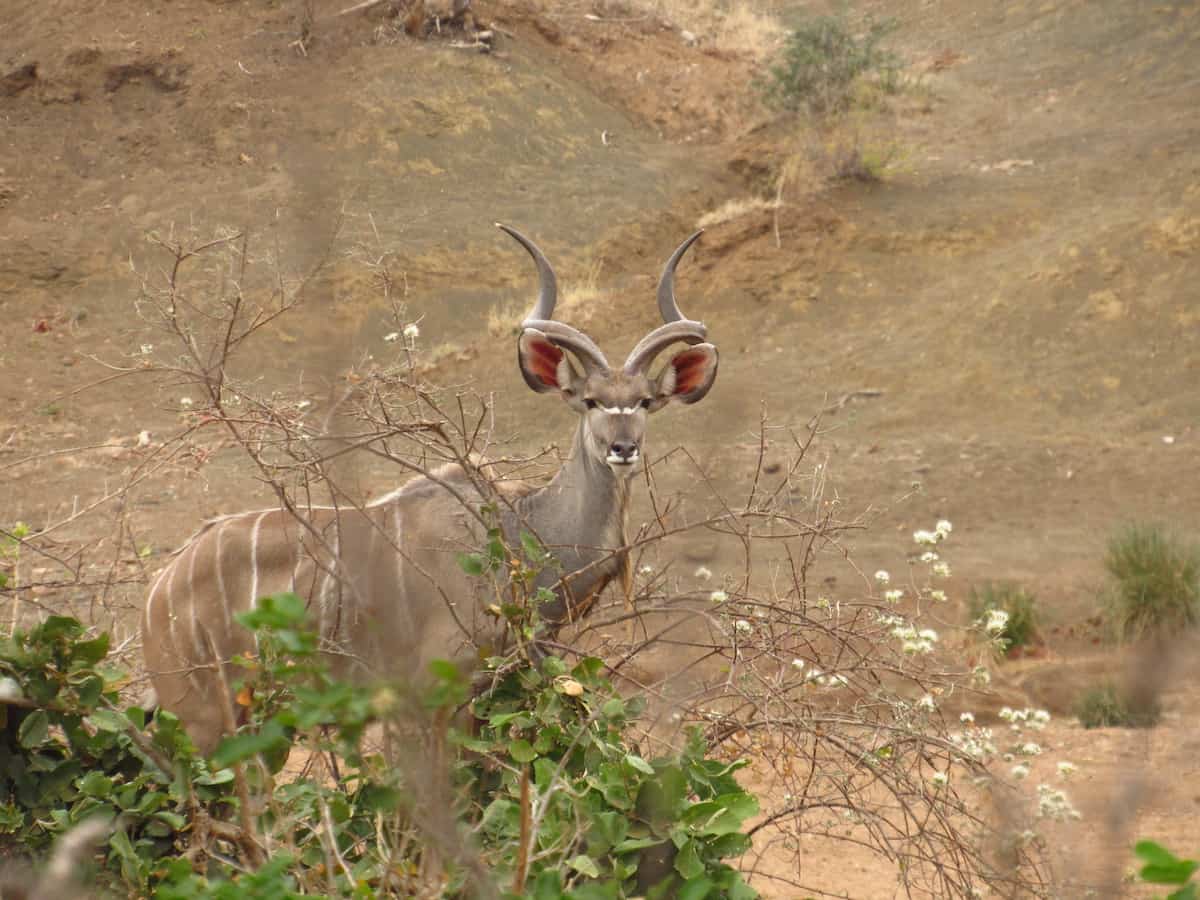
- Kudu
- Bushbuck
- Blesbok
- Jackal
- Cape Grysbok
- Suricate (Meerkat)
- Spotted Hyena
- Eland
- Red Hartebeest
- Warthog
- Blue Duiker
- Caracal
- Flightless Dung Beetle
- Southern Right Whale*
- Great White Shark*
- African Penguin*
- Cape Gannet*
- Common Dolphin*
- Bottlenose Dolphin*
* These marine species are part of the marine section of the park. They can be seen around the coastal waters included in the park’s protected area.
Self-Drive Safaris in Addo Elephant Park
Addo is an excellent place for a self-drive safari! It has a well-maintained network of roads that are suitable for regular vehicles. (But you can also find a 4×4 trail between the Kabouga and Darlington areas of the park, just for fun.)
This makes it accessible for just about everybody without the need for a 4×4. Having one, though, can make navigating the more rugged areas in the park a bit easier.
Signage is good in the park, too, with roads that are clearly marked. Plus, maps are available at the entrance and online, so getting around is pretty straightforward.
I like to combine self-drive with organized game drives. This way I get the freedom and flexibility of going where I want when I want.
Plus, I still benefit from the expertise of the guides who know the park well.
Another option is to hire the Hop-On guide – click on this link for more info. He will act as your safari guide from your own vehicle!

Addo Park Safari Tips
Here are some things you can do to make sure you get the most out of your visit:
1. Plan Ahead: Make your accommodation and activity bookings in advance, especially during peak tourist seasons.
2. Arrive or Head Out Early: Get to the park early in the morning or if you’re staying in the park, start your safari drive as early as you’re able. This is when wildlife is most active and there are fewer people around.
3. Wear Appropriate Clothing: Dress in layers and wear comfortable, neutral-coloured clothing to blend in with the natural surroundings. But “safari-wear” is NOT necessary.
4. Respect Wildlife: Always keep a safe distance from the animals and avoid disturbing them. Use a good pair of binoculars for a closer look.
5. Visit Waterholes: Spend some time at waterholes, where you’re likely to see a variety of animals coming to drink.
6. Bring a Good Camera: Capture your memories with a good camera. Remember to bring extra batteries or a charger, and lots of storage.
7. Explore Different Sections: Addo is more than just elephants. Explore different sections to see a variety of habitats and species.
8. Be Patient: Wildlife viewing can be unpredictable. Patience can lead to amazing sightings.
9. Stay Informed: Check for any park notices or special conditions on the day of your visit to avoid any bumps in your experience.

When to Go to Addo Park
There’s no bad time to visit Addo, but there are better times.
The peak tourist seasons typically coincide with school holidays and national holidays in South Africa, and the summer months when the weather is warm and dry.
December to January and the July to August winter holidays tend to be crowded.
March to April: After the peak summer season and before the winter chill sets in, these months offer milder weather, fewer crowds, and more active wildlife.
This period is after the busy summer holidays and before the Easter rush, so it’s a quieter time for a visit.
September to November: Springtime in Addo is excellent for wildlife viewing. The weather starts to warm up and the park is not crowded yet with the summer holiday visitors.
The plants and trees are less dense, too, which makes the animals easier to spot.
Addo Elephant Park Cost and Hours
The entrance fee (aka. conservation fee) to get into Addo Elephant National Park is:
1 November 2023 – 31 October 2024 (2024/2025 Rates)
| Category | South African Citizens and Residents | SADC Nationals | Non-South Africans |
|---|---|---|---|
| Adults | R99 or US $5.55 | R199 or US $11.15 | R397 or US $22.24 |
| Children (2-11 yrs) | R50 or US $2.80 | R99 or US $5.55 | R199 or US $11.15 |
* If you’ll be spending a lot of time in South African national parks, consider a Wild Card parks pass.
Gate Times
| Jan | Feb | Mar | Apr | May | June | July | Aug | Sept | Oct | Nov | Dec | |
|---|---|---|---|---|---|---|---|---|---|---|---|---|
| Entrance Gates Open | 05:30 | 05:30 | 05:30 | 06:00 | 06:00 | 06:00 | 06:00 | 06:00 | 06:00 | 05:30 | 05:30 | 05:30 |
| Camp Gates Open | 04:30 | 05:30 | 05:30 | 06:00 | 06:00 | 06:00 | 06:00 | 06:00 | 06:00 | 05:30 | 04:30 | 04:30 |
| All Gates Close | 18:30 | 18:30 | 18:00 | 18:00 | 17:30 | 17:30 | 17:30 | 18:00 | 18:00 | 18:00 | 18:30 | 18:30 |
These times are for the main entrance gates, and similar hours apply to other park gates.
Important Notes
- Early Exit and Late Entry: For those staying inside the park,
Entrance gates are staffed by security guards after closing times.
If you have an accommodation booking, you can still enter and exit the gates after closing times but before 10pm. But you need to inform reception of this in advance. - Gate Closures: It’s important to exit the gates before closure to avoid fines or being locked in the park overnight. Driving in the park is not allowed after the gates close.
* Always check gate hours when you arrive to be sure you have the most up-to-date info.
If you’re in the Port Elizabeth area, you’ve got to stop at Addo! Epic African wildlife, and the Big Seven!
Read more:
➵ Best Safari in Kruger National Park: Discover the Ultimate Wildlife Tour
➵ Pilanesberg National Park Safari – Should You or Shouldn’t You?
➵ 39 Amazing Facts About Kruger National Park You Never Knew
➵ Sanbona Wildlife Reserve Expert Review: Cape Town Big 5 Safari 2025
