
Is Cape Town Dangerous? Plus Expert Safety Tips for 2025

If you’re planning to a visit to Cape Town, you’ve probably wondered how safe it is.
When I travel around Cape Town, I’m always a female solo traveller, and I’ve always been safe. But I always take safety precautions that are mostly second nature to me by now.
Here I’ll let you in on the safety precautions I take when I explore Cape Town. They actually apply to any city, and really, are mostly common sense (though it’s not always that “common”).
I’ll also share where Cape Town’s safest areas are, which ones to avoid, and more tips to stay safe.
Just like in all major cities, Cape Town has its mix of safe spots and areas that are best avoided. I’ll break down the good, the bad, and everything in between.
Let’s explore Cape Town safety and recognize where the city’s efforts to be welcoming and safe for everyone are most successful. And we’ll discuss what you can do to keep yourself safe.

How Safe is Cape Town?
Like all cities, the area of Cape Town you’ll be in will be a factor in how safe you will be. As well as what sort of crime can be found there. When it comes to a city’s crime index, things like bribery and corruption are components, as are assault and robbery.
The assault and robbery would concern me as a traveller, but the bribery and corruption – not so much. Cape Town, and any other city, may appear on “safest” lists and “most dangerous” ones. This is because the lists are concerned with different types of crime.
The parts of Cape Town that are of most interest to visitors are usually not the areas with high crime rates, whatever the crime. That being said, even in “safe” areas, there are smart precautions to take to avoid trouble, like pickpockets.
Safest Areas of Cape Town
Here’s a quick overview of some of the safest and most inviting areas in the Mother City, each with its own charms. I’m also including a top hotel recommendation for each neighbourhood to help make sure you have a safe place to stay.

✓ Sea Point – about 6 km west of Cape Town city centre
Right where the city meets the ocean, Sea Point is all about relaxation, cool cafes, and the promenade that’s perfect for sunset walks. It’s got an active and engaged community that helps keep the streets safe.
The streets are well-lit and there are frequent security patrols. As well, tourist-centred businesses have information available that lets us know how to stay safe while enjoying the area.
Hotel Option: Check out The Winchester Hotel – classy, comfy, and super close to the ocean.

✓ City Bowl – in Cape Town city centre
City Bowl sits between the mountains and the sea, and is full of cafes, markets and street art. It’s considered safe due to a combination of things.
There is active community involvement, good security measures, and a well-developed infrastructure that supports both locals and visitors. There’s a constant flow of people and eyes on the streets, too, contributing to a safer environment.
Residents and business owners take an active part in keeping the City Bowl area safe.
Hotel Option: The Taj Cape Town – not just a place to stay but a spot to revel in luxury, right where all the action is.

✓ Clifton – about 7.5 km SW of Cape Town city centre
If you’re all about beach days and sunsets, Clifton is perfect for you. This area is a series of coves with four beaches, each its own slice of paradise. The atmosphere here is laid-back luxury, with a side of stunning natural beauty.
Clifton has an upscale residential feel and vigilant private security services. Plus, the strong sense of community among residents makes sure that any safety concerns that do come up are quickly addressed. This all makes Clifton a lovely and safe area to stay in and to explore.
Hotel Option: 21 Nettleton Boutique Hotel & Luxury Residence – a luxurious experience tailored to your dreams, with spectacular sea and mountain views and reliable security.

✓ Camps Bay – about 6 km SW of Cape Town city centre
Camps Bay also has stunning beach views and easygoing luxury. It also has a fun urban strip, overlooked by the Twelve Apostles mountain range.
The area has a visible police presence, private security patrols, and again an active community watch. Maintaining its status as a premier tourist destination in the city motivates both local authorities and businesses to keep up high safety standards.
As well, the affluent seaside neighbourhood has well-lit streets and public areas. Camps Bay is a great place for a high-end, safe beach escape.
Hotel Option: The Bay Hotel offers upscale beachfront accommodation with reliable security.

✓ Bloubergstrand – about 19 km NE of Cape Town city centre
For the best views of Table Mountain and a quieter beach vibe, Bloubergstrand is your spot. It’s a bit away from the city hustle and is a relaxing and beautiful experience.
Bloubergstrand’s safety is supported by its tight-knit community, effective local policing, and the presence of neighbourhood watch groups. Its relaxed, suburban atmosphere deters high-crime rates, and offers a peaceful environment for families and visitors.
The area’s open beaches and public spaces are well-maintained and monitored, too. This contributes to the safety of the area, and will make you feel right at home.
Hotel Option: Blue Peter Hotel is a safe option in an excellent location, with Table Mountain views.

✓ V&A Waterfront – 2 km NE of Cape Town city centre
The V&A is where shopping, eating, and entertainment come with views of boats and the sea, and a lot of people watching.
The waterfront in Cape Town is one of the safer spots thanks to its round-the-clock security patrols. It’s also got a comprehensive CCTV surveillance system. It’s a busy mecca where the mix of locals and tourists, plus the constant flow of people, means there’s always someone around.
It’s pretty hard for criminal activities to go unnoticed here. Plus, the area’s high-profile status as a shopping and entertainment destination is important to the economy. This makes it a priority for businesses and authorities to maintain safety.
Hotel Option: The Table Bay Hotel lets you lap up luxury safely by the sea. It has a 24-hour front desk for your security and convenience.

✓ De Waterkant – 1.5 km north of Cape Town city centre
Fashion, fun, and cobbled streets, De Waterkant is Cape Town’s trendy side. Sitting between the city centre and the Waterfront, it’s as safe as it is fashionable.
De Waterkant stands out as one of the safer spots thanks to a strong community watch and regular patrols. Its busy streets are packed with cafes and shops, so there’s always a crowd and eyes on the street, which naturally deters petty crime.
Plus, the neighbourhood’s blend of historical charm and modern lifestyle means that everyone from locals to visitors respects the area. You’ll feel it when you stroll along the streets – this area is important to the people here, and they want to protect it.
Hotel Option: The Village Lodge in the heart of it all offers a secure, stylish stay with breathtaking views and immaculate gardens.

✓ Green Point – about 3.5 km NW of Cape Town city centre
Green Point is just a quick, safe walk to V&A, with bars, eateries, and eco-conscious spots along the way.
Green Point keeps things safe with a well-lit main strip that’s always busy, thanks to the restaurants, clubs, and eateries. Safety is naturally built into the upbeat atmosphere.
The presence of the Cape Town Stadium here adds an extra layer of security. The stadium holds regular events that mean a steady flow of people and, by extension, patrolling officers and private security.
Green Point, too, has a community that is actively involved in the security of the area. They support initiatives aimed at keeping their neighbourhood safe.
This all gives residents and visitors peace of mind when they spend time here.
It’s lively, green, and great for an evening out or a scenic stroll.
Hotel Option: The Cape Royale brings luxury and security, plus killer views, onsite spa, and walk to the stadium.
These areas show off the best sides of Cape Town, proving you can have an amazing time while staying safe. Keeping to areas like these lets you enjoy a worry-free adventure in this beautiful, eclectic city.

Areas in Cape Town to Avoid
When visiting Cape Town, it’s as important to know the spots that might be a bit dicey as it is to know the safe ones. Many of these are what are referred to as township areas – underdeveloped urban divisions.
These were created during apartheid for non-whites to live in, and many are on the outskirts of cities.
Here are some areas that tend to be more dangerous to explore, and what makes them dangerous. I don’t recommend exploring them. But if you feel compelled to visit, I’ve included how you can enjoy what they have to offer with the least amount of risk.
Nyanga
Nyanga is known for having one of the highest rates of violent crimes, theft and burglaries, gang-related activity, and sexual crimes. Nyanga is in the southeastern parts of Cape Town, and you may be drawn to community projects or volunteer work there.
It’s best to use a reputable organization that knows the area well and can ensure your safety if you decide to venture into this area.
Langa
One of Cape Town’s oldest townships, Langa is located not too far from the city centre. Statistics show that crime rates in Langa are high, but it also is rich in history and culture.
Visiting this area can give you an authentic look at township life.
There are safe and respectful ways to explore Langa. Find cultural tours led by locals who can provide insights into the community’s heritage and ongoing challenges.
Mitchells Plain
Located in the Cape Flats to the southeast of the city centre, Mitchells Plain struggles with gang-related activity and crime. It’s not a typical tourist destination, but it does offer a glimpse into the city’s street culture and resilience.
If you’d like to visit for a community project or event, link up with local guides who can navigate you through safely.
Khayelitsha
As one of Cape Town’s largest townships, Khayelitsha deals with high levels of poverty and crime. But, it’s also a place of incredible cultural significance and home to many social innovation projects like education and youth development.
If you’re interested in cultural tours or volunteering, book through established tour companies that operate with the involvement of the locals. Discuss with them how they will ensure your safety.
Hanover Park
Plagued by gang violence, Hanover Park is another area that sees its fair share of challenges. While not a traditional tourist spot, it has community initiatives worth supporting.
Always visit with an organization deeply rooted in the community, to be sure you’re contributing positively while staying safe.
Cape Flats
Stretching out to the southeast of the city centre, the Cape Flats is a large area. It struggles with poverty, unemployment, and gang violence.
It’s not typically on a visitor’s itinerary, but it’s home to active communities and grassroots projects.
If your heart’s set on visiting, do so through an organized community tour with knowledgeable local guides.
Kraaifontein
Kraaifontein is found on the northern outskirts of Cape Town. It also faces issues with crime and safety, largely due to widespread poverty and other socioeconomic factors.
While it might not be on your typical tourist trail, Kraaifontein has its own local charms and community projects.
As with the other areas, the safest approach to discovering what Kraaifontein has to offer is with a reputable tour guide or organization familiar with the nuances of the area.
For all these areas, the golden rule is clear: don’t venture out alone or after dark. Stick with guided tours or community projects. They’ll let you experience the authentic and resilient spirit of the people living in Cape Town’s less-visited neighbourhoods, while prioritizing your safety.

Types of Crime to Watch Out For
Visitors to Cape Town, like in any major city, should be aware of certain more common types of crime. Here’s what to look out for and tips on how to avoid them:
Petty Theft: This includes pickpocketing, purse snatching, and theft of personal belongings from beaches or café tables. These can happen in even the “safest” neighbourhoods.
Muggings and Robberies: There are occasional reports of muggings in less populated or poorly lit areas, especially after dark.
Scams: Be wary of scams targeting tourists, including fake tour operators or offers.
Car Break-ins: Theft from vehicles, sometimes even when parked in seemingly secure areas.
ATM Fraud: Skimming devices installed on ATMs to capture card information, or people lurking around ATMs.

How to Avoid Becoming a Victim:
Stay Vigilant: Always be aware of your surroundings, especially in crowded places like markets, tourist sites, and public transport areas.
Keep Your Valuables Secure: Use a money belt or neck pouch. Don’t flash expensive jewelry, cameras, cash or smartphones in public. Blend in and keep a low profile.
Don’t Go Out Alone At Night: After dark, stay in groups when exploring or heading back to your accommodation. If you do need to go out alone, take an Uber instead of walking. Try to keep your things – eg. shopping bags – with you instead of in the trunk.
Use Reputable Services: Only use reputable tour operators, not the touts you might see selling tours on the street. Also, stick to Ubers instead of Metrorail or taxis, especially the white van taxis. Ubers are safer, especially for visitors.
Be Cautious at ATMs: Use ATMs in secure locations, like inside banks or shopping centres, and be mindful of anyone standing too close or trying to offer help. Tuck your cash away immediately.
Secure Your Vehicle: Always lock your vehicle and keep your things out of sight. Park in well-lit, busy areas or secure parking lots, no matter how tempting it is to take that great spot in the dark.
Stay Informed: Keep up to date on any alerts about areas to avoid or recent scams targeting tourists. Before you leave on your trip, research popular scams in the area, and talk to the front desk at your hotel, and to fellow travellers.
By taking these precautions, you can significantly reduce the risk of encountering crime during your visit to Cape Town. You’ll be able to focus on enjoying the stunning beauty and fascinating culture the city has to offer.

Safety Tips for Visiting Cape Town
• Before you leave your accommodation for the day, make sure you have its address written down. Save it on your phone, and pin it on your map app if you can. Grab a business card if there is one, take a photo of it, then slip it into your bag.
If you get lost, or it starts to get too late to make it back before dark, hop in an Uber and show the card to the driver. This is a great safety tip for travel in Cape Town, or anywhere else.
• Walk like you know where you’re going. Make use of GPS navigation, and make sure you’ve downloaded the map of the area on your phone. This way it’s available without an internet connection.
I recommend Google Maps or MAPS.ME. Connect your earbud and tuck your phone away out of sight. Try not to walk around with your phone on display. Cell phones can attract thieves.
• Wear your bag across your body, if possible. Or at least twist the strap around your shoulder once, so it’s not hanging too loosely.
• When you’re in a cafe or bar, or anywhere else, keep an eye on your bag, and on your credit card. Ask if your transaction can be done at your table.
• Don’t wear both earbuds. While you need to hear your app’s directions, you need to remain aware of your surroundings, too.
• Don’t carry all of your cash and credit cards with you. If your accommodation has a safe at the front desk, use that; I don’t recommend room safes. Or consider taking along a tiny travel lock box. These are great for the beach, too.
• Anything you feel that you need to keep on you can be tucked into a concealed pouch. A travel belt worn under the shirt works, or one that clips onto your bra is more comfortable when it’s hot.
• Ubers are great in Cape Town. Be sure to download the app, preferably before you leave home when you know you have secure wifi.
• Be careful which ATM you use. If you find one that seems isolated, if there are sketchy people around, wait and use the next one. Try to make it an indoor one with people around.
Listen to your instincts, and don’t be afraid of being overly cautious. When your cash is dispensed, tuck it away quickly. You can count it later, and keep your printout. Don’t accept “help” from people near an ATM.
• As you arrive at the international airport, don’t accept help with your bags from any helpful soul who offers. Keep an eye on your own bags.
• Use Bluetooth with caution in highly touristed areas, as your phone can be hacked via Bluetooth. Avoid pairing it with unknown devices.
More than that, turn your phone’s Bluetooth and WiFi off when you’re not using them. Wired earbuds are a good idea, too, and they’re harder to lose.
Also, use an aux cable to connect to a rental car stereo. If you do connect to a rental car using Bluetooth, remember to delete any stored info.
• If you’ll be hiking on Table Mountain (and you really should!), consider getting familiar with Safety Mountain, a WhatsApp-based tracking service.
Before you set out, share the details of your Table Mountain activity here and then check out when you finish. Someone will check up on you if you’re later than you expected.
• If you’ve followed any and all safety advice and you still get robbed, give up what you’re asked for. A simple robbery can escalate to violence quickly.
• And finally, be aware that South Africa has several different emergency numbers, depending on your type of emergency. International consulate numbers can be found on this web page as well:
Emergencies from a Cell 112
Emergencies from Landline 107 (must be calling from the Cape Town area)
Ambulance 10177
Medical & Fire 021 535 1100
South African Police Service 10111
Table Mountain NP Emergencies 021 480 7700
Sea and Mountain Rescue 021 948 9900

Is Cape Town Safe for Solo Female Travellers?
Many women, myself included, travel to Cape Town alone and have a fantastic time. But it’s important to stay aware of your surroundings to stay safe.
It’s easy to get caught up in everything there is to see and forget this. It takes practice but becomes second nature after a while. Follow the safety tips above, as well as a few additional ones:
• Stay in Well-known Areas: Choose accommodations in neighbourhoods known for their safety and amenities. See the first section above, on safe areas.
• Use Reliable Transportation: Opt for Ubers rather than hailing cabs on the street. Public transportation is generally safe during the day, especially in tourist areas, but it’s best to avoid it at night.
• Be Street Smart: Like in any city, be aware of your surroundings. Avoid displaying expensive jewellery and even bags.
• Inform Someone of Your Plans: If you can, let someone know your plans, especially if you’re heading out for a long day or an adventure outside the city.
Mention where you’re headed to your hotel’s front desk, or text a friend back home that you’ll check in with when you get back.
• Trust Your Instincts: If something doesn’t feel right, trust your gut and remove yourself from the situation. Safety is always more important than being polite.
• Don’t walk around outside on your own after dark, even if you’re in a place that is considered safe. Safe in Africa and safe in London aren’t necessarily on the same level. If you have to go out at night, take an Uber.
• Keep Your Wits About You: If you go out for a few drinks – enjoy, but keep your wits about you. A solo night out isn’t the time to get drunk. And always keep an eye on your drink.
Also, if you tend to get overly chatty when you drink, don’t reveal where you’re staying, or if you’re travelling solo. That’s info that you should keep to yourself for your safety.
• On the personal health side of staying safe, include condoms when you pack, just like you would sunscreen and bug spray. The eastern and southern parts of Africa are the parts of the world most affected by HIV.
Even apart from that, it’s just safe and smart. Like travel insurance, it’s much better to have them and not use them, than the other way around.
While there’s absolutely no reason to forego a trip to Cape Town for solo female travellers. But being cautious and prepared is important for a safe and memorable trip.

Is Cape Town Safe for Families?
Cape Town is a popular destination for families, and there are a lot of activities and experiences that you can enjoy together. These tend to be in safer areas of town, so general safety is less of a concern.
Here are a few things to keep in mind, on top of the tips already mentioned:
• Stay in Family-Friendly Areas: Choose accommodations in safer, family-friendly neighbourhoods known for their security and amenities. All the ones mentioned above qualify.
• Keep an Eye on Belongings: Tourist spots that offer kid-friendly activities can attract pickpockets. Keep your belongings close, and teach your children to do the same with their things.
• Stay Together: Always keep an eye on each other, especially in crowded places. Consider using a buddy system with older children and have a plan in case someone gets lost, such as an easy-to-locate meet-up spot.
• Health and Safety: Bring a basic first-aid kit and be aware of the nearest medical facilities.
• Local Emergency Numbers: Keep a list of local emergency contacts, including the nearest embassy or consulate, on hand.
Cape Town is a great town for families! Kids and grownups love the Table Mountain Aerial Cableway and the easy hiking trails at the top. And be sure to visit the Two Oceans Aquarium at the V&A Waterfront for their interactive exhibits.

Is Cape Town Safe for LGBTQ+ Travellers?
Cape Town is generally welcoming to LGBTQ+ travellers. It has a spirited gay scene and plenty of LGBTQ+-friendly spaces.
The city hosts its own Pride celebration and has bars, clubs, and events that cater specifically to the LGBTQ+ community.
Stick to well-lit and busier streets when out late at these venues, take Ubers at night, and keep to safe areas like Green Point and the V&A Waterfront. You’ll find Cape Town a great place to explore.

How to Get Around Cape Town Safely
Getting around Cape Town safely and conveniently is another important element in enjoying what the city has to offer. Here are some of the best and safest transportation options:
🚌 MyCiTi Bus Service: Cape Town’s integrated rapid transit is an affordable and reliable way to get around. It connects major attractions and the city center.
🚙 Choose Uber Over Taxis: The ride-share service Uber is the safe choice over taxis. Always wait for your ride in a safe, well-lit area.
🚘 Rental Cars: For flexibility, renting a car might be your best bet. It’s a safe option, just stick to well-known rental companies and always park in secure, designated areas.
The roads are well-maintained, and driving is pretty reasonable. Unfortunately, broken-window robberies and carjackings are a reality in Cape Town.
These happen most often at red lights, day or night, though more often at night. Keep all of your belongings out of sight and reach of the windows, and lock your doors.
🚍 City Sightseeing Buses: These hop-on, hop-off buses are great for visitors who want to hit all the major sights without the hassle of navigating public transport. They’re safe, convenient, and offer informative commentary.
🚲 Cycling: In areas like the Sea Point Promenade and some parts of the city center, cycling is a fun way to explore. Stick to daylight hours and designated bike lanes for safety, and stay in the safe areas above.
🚶🏻♀️Walking: Walking is a fantastic way to take in the sights and sounds of Cape Town’s busy areas. Pedal around the V&A Waterfront, City Bowl, and along the Atlantic Seaboard.
Stay in well-populated areas, stay aware of your belongings, and don’t walk alone after dark.
Regardless of how you choose to get around, always stay aware of your surroundings, and keep an eye on your things. Keep valuables out of sight, and avoid walking alone after dark. Common sense, right?

What to Pack for Cape Town to Help Keep You Safe
There are a few things that you might consider taking along for safety’s sake – yours and your stuff’s safety.
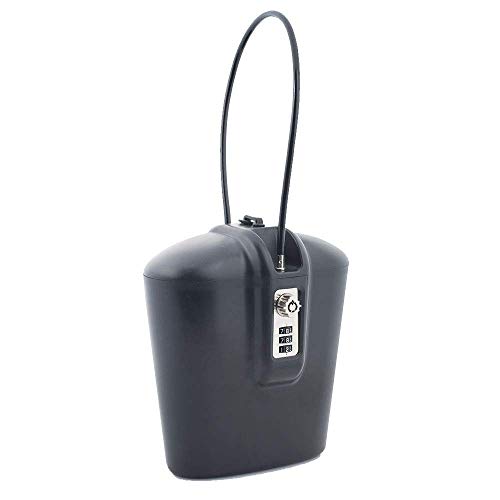
A travel safe or lock box. You can use it to lock up your passport, your phone and keys at the beach…
It has a lot of uses, and won’t weigh down your suitcase.

A small money belt. It holds your cash and passport, and is RFID-blocking to keep your cards safe.

These portable door locks take up no room on your luggage. They’ll give you some piece of mind if you’re nervous on your own in a hotel room or vacation rental.

Keep your whole trip safe, and never forego travel insurance. It can cover flights, luggage, medical care, and more.
It’s inexpensive, and it doesn’t make sense not to have it. I always use SafetyWing, and I recommend it, wherever you’re going.
The Best Time to Visit Cape Town
The best time to visit Cape Town is during the late spring to early fall months, particularly from October to March. Be prepared for good weather, dynamic festivals, and unforgettable outdoor concerts.
This period is filled with warm, sunny days that are ideal for exploring the city’s beaches, hiking trails, and urban neighbourhoods. The summer months (December to February) are especially fantastic.
You’ll get to enjoy numerous events. Check out the Kirstenbosch Summer Sunset Concerts and the Cape Town Minstrel Carnival. The summer months let you fully enjoy the outdoor lifestyle Cape Town is famous for.
Revel in wine tours in the Cape Winelands and leisurely days on the city’s stunning beaches.

The Safety of Cape Town – Frequently Asked Questions
Q: Are tourists safe in Cape Town?
A: Yes, if… Thousands of visitors come to Cape Town every year and enjoy safe travels. Like any major city, it’s important to stay aware of your surroundings, especially at night, and take common-sense precautions to protect yourself and your belongings.
Q: Is it safe at night in Cape Town?
A: Yes, if… Cape Town’s safety at night varies by area. Well-lit, popular, busy spots and entertainment districts are generally safer. In general, avoid walking alone after dark and use Ubers for nighttime travel. This way you can enjoy Cape Town at night and stay safe.
Q: Is Uber safe in Cape Town?
A: Yes. Uber is widely considered a very safe transportation option in Cape Town. It’s a convenient and reliable way to navigate the city. The app provides you with info like driver information, ride tracking, and the ability to share your trip details with others. Uber is widely used by locals and visitors alike.
Q: Is Cape Town safe for female tourists?
A: Yes, if… Many female visitors explore Cape Town and its surroundings without any trouble, especially in well-traveled areas and tourist attractions. But it’s important for female travellers to take the usual precautions: avoid isolated areas at night, use reputable transportation options, and stay aware of your surroundings.
Q: Are taxis safe in Cape Town?
A: Yes, but… Uber is preferred for its convenience and safety features, especially for visitors, but traditional taxis remain a viable alternative when used wisely. Your safest option is to have a taxi arranged by your accommodation’s front desk or the restaurant you’re at. Steer clear of the white taxi vans.
Q: Is Cape Town’s Central Business District safe for visitors?
A: Cape Town’s Central Business District (CBD) is generally considered safe for visitors during the day. You’ll find a lot of energy, busy streets, heaps to see and do, plus a visible security presence. But like in other major city business districts, watch your pockets and avoid walking around at night.
Summing It Up: How Safe is Cape Town?
Cape Town is stunning landscapes and culture, offering a memorable experience for all types of travellers. From solo adventurers to families and everyone in between.
Safety concerns do exist, like all major cities. But knowing where and how to navigate can make sure you have a spectacular time. Opt for reputable transportation options like Uber and stick to well-frequented areas, especially at night. These 2 things alone can help keep you safe.
With a bit of preparation and some planning, you’ll see the best of the city, and leave looking forward to your next visit.
Read more about the Cape Town area:
➵ Penguin Beach South Africa: A Guide to Visiting the Penguins
➵ Best Whale Watching in Hermanus
➵ Shark Diving in South Africa: What You Need to Know in 2025
➵ Top Rated Accommodations in Richards Bay, South Africa
